About All Tours From Panama City ToursBoat Tours& Monkey Island ToursPartial Transit ToursPanama City ToursPrivate Tours Directions Hours & Fees
Find Tours 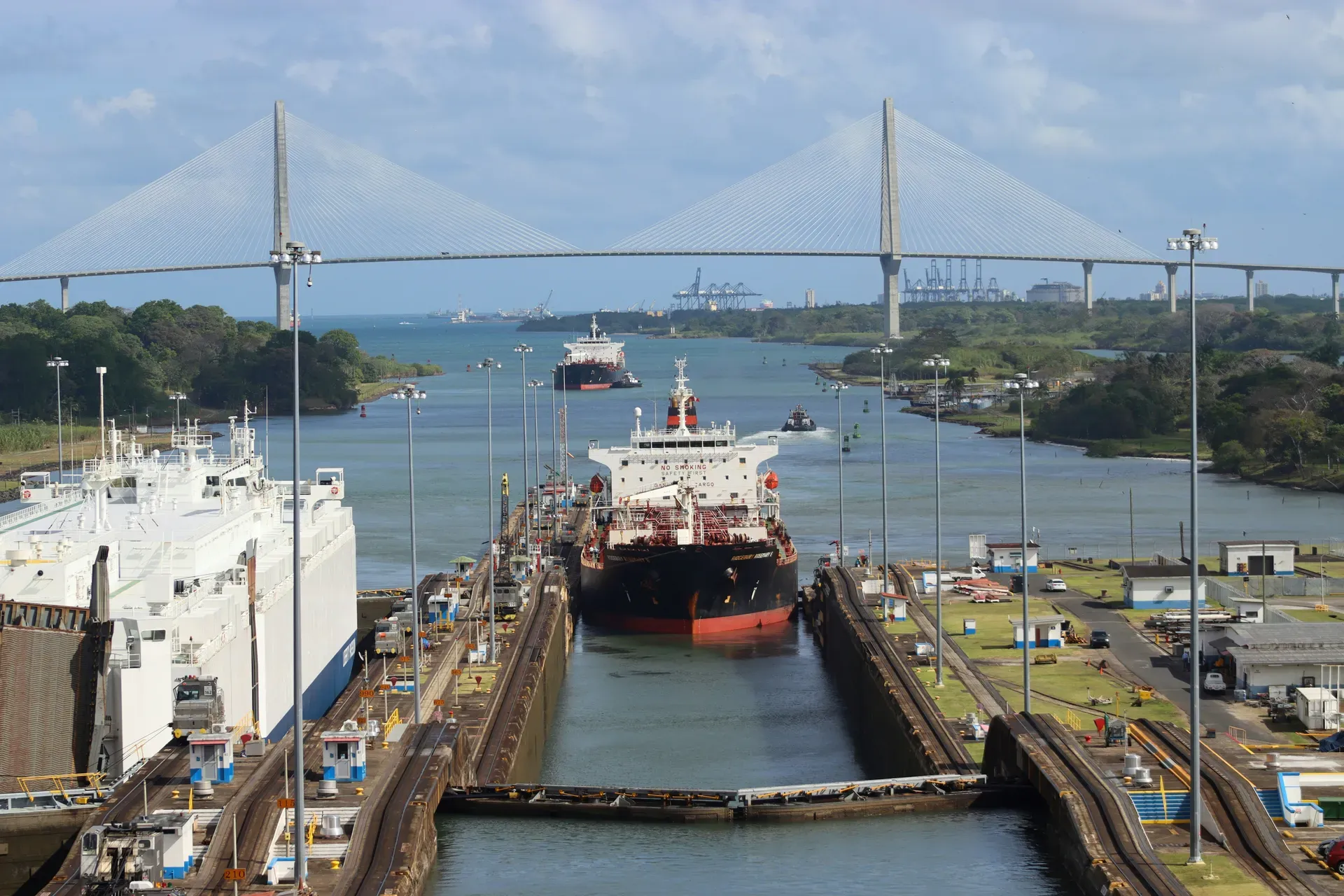
The Panama Canal cuts 82 kilometers across the Isthmus of Panama to link the Caribbean Sea with the Pacific Ocean. This gravity-fed lock system lifts massive cargo ships 26 meters above sea level, saving vessels a 7,800-mile detour around Cape Horn.
Eighty-two kilometers of artificial waterway slice through the Isthmus of Panama, connecting the Caribbean Sea to the Pacific Ocean. A vital shortcut. The Panama Canal relies on a gravity-fed lock system to lift 14,000 ships annually over the continental divide. Vessels enter the concrete chambers, massive steel doors close, and millions of gallons of fresh water flood in from Gatun Lake. The rushing water raises the ships 26 meters above sea level, allowing them to cross the mountainous interior before descending back down on the opposite coast. The entire transit takes a ship between 8 and 10 hours to complete.
This route eliminates the 7,800-mile detour around the treacherous Drake Passage and Cape Horn. Global maritime trade moves through these locks daily, carrying everything from automobiles to liquid natural gas. Standing on the first-level bleachers at the Miraflores Visitor Center, you feel the low rumble of diesel engines as 1,000-foot cargo ships glide past with only inches of clearance. A live narrator broadcasts the origin, destination, and cargo of each passing vessel in both English and Spanish. The smell of exhaust mixes with the thick, humid jungle air. Inside the center, a 45-minute 3D IMAX documentary narrated by Morgan Freeman breaks down the engineering mechanics.
Heavy rainfall in October and November frequently disrupts the region. Intense downpours cause flash floods and potential landslides, making the dry season from December to April the most reliable window for observation deck viewing. Arriving between 11:00 a.m. and 2:00 p.m. guarantees you will stare at empty water. Ship traffic halts during this midday lull. To avoid wasting a trip, check the daily transit schedule online and plan for an early morning or late afternoon arrival. Taking an Uber from downtown Panama City costs about $10 and drops you at the entrance in 15 minutes.
Vasco Núñez de Balboa first crossed the isthmus in 1513, mapping the narrowest strip of land between the oceans. Serious excavation waited until 1881. French engineers, led by Armand Reclus and Ferdinand de Lesseps, attempted to dig a sea-level canal straight through the jungle, mirroring their success at the Suez Canal. Disease and brutal terrain crushed the effort. Malaria and yellow fever killed 20,000 workers. The dense mud swallowed steam shovels and rail lines. Landslides constantly refilled the trenches faster than crews could dig them out. The French company collapsed into bankruptcy in 1889, abandoning rusted machinery in the jungle and leaving the massive trench unfinished.
The United States took over the project in 1904 after signing the Hay-Bunau-Varilla Treaty, which granted them a 10-mile-wide sovereign canal zone. Chief Engineer John F. Stevens abandoned the doomed sea-level concept in favor of an elevated lock system. Workers dammed the Chagres River to create Gatun Lake, minimizing the required digging and providing the water source needed to operate the locks. Dr. William Gorgas implemented strict mosquito control measures, drastically reducing the death toll from tropical diseases. The most brutal excavation occurred at the Culebra Cut. Laborers blasted through 13.7 kilometers of solid rock and limestone in the Cordillera Central mountain range, facing constant landslides that wiped out weeks of progress. The project cost the United States $375 million. The waterway officially opened to maritime traffic on August 15, 1914, when the cargo ship SS Ancon made the first full transit.
The United States administered the waterway and the surrounding sovereign zone for decades, creating political tension. The 1977 Torrijos-Carter Treaties mandated a gradual transfer of power. Panama assumed full control of the canal's operations and administration on December 31, 1999. The government then initiated a massive upgrade to handle modern shipping demands, as global cargo vessels had outgrown the original 110-foot-wide locks. The $5.25 billion expansion project, completed in 2016, added a new lane of traffic and larger Neo-Panamax locks on both the Atlantic and Pacific sides. These wider chambers accommodate vessels carrying up to 14,000 containers.
Today, the canal operates as Panama's primary economic engine, employing thousands of locals and funding national infrastructure. Tolls range from $800 for small private yachts to $375,000 for massive cruise ships. The Agua Clara Visitor Center on the Atlantic side provides clear views of the newer locks in action, away from the heavy crowds in Panama City. Visitors wanting deep historical context should pair a lock visit with the Interoceanic Canal Museum in Casco Viejo, which houses the primary construction archives and detailed engineering blueprints.
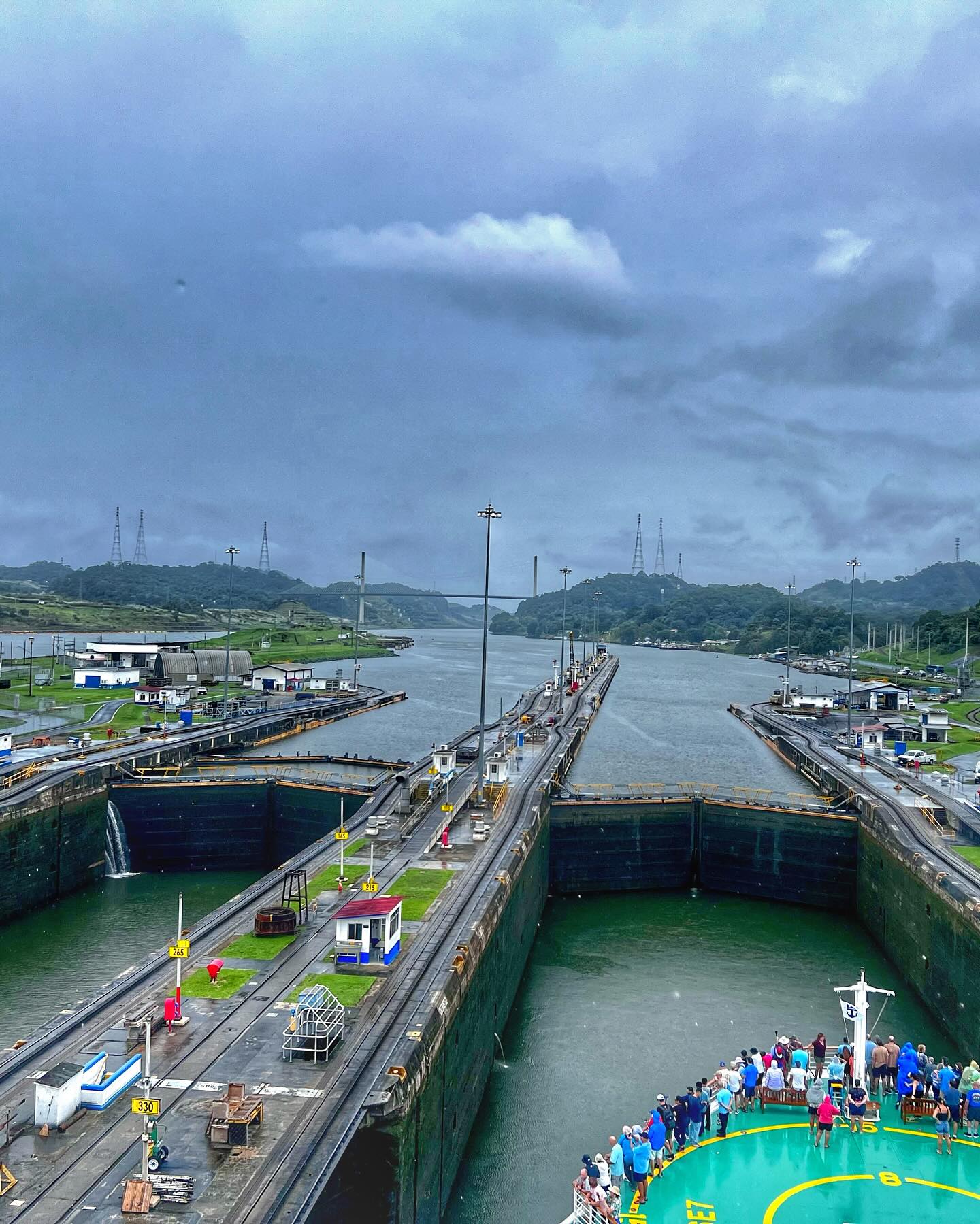
The canal's geography depends entirely on Gatun Lake. This artificial freshwater reservoir sits 26 meters above sea level, created by damming the Chagres River and Lake Alajuela. Using a lake bridge reduced the amount of earth workers had to remove from the continental divide. The original lock chambers measure 33.53 meters wide and 304.8 meters long. Gravity does all the work. No pumps are used to fill the locks; water simply flows downhill from the lake through massive 18-foot culverts built into the concrete walls. The water enters through hundreds of holes in the chamber floor, lifting a 60,000-ton ship 85 feet in the air in under ten minutes without creating dangerous turbulence.
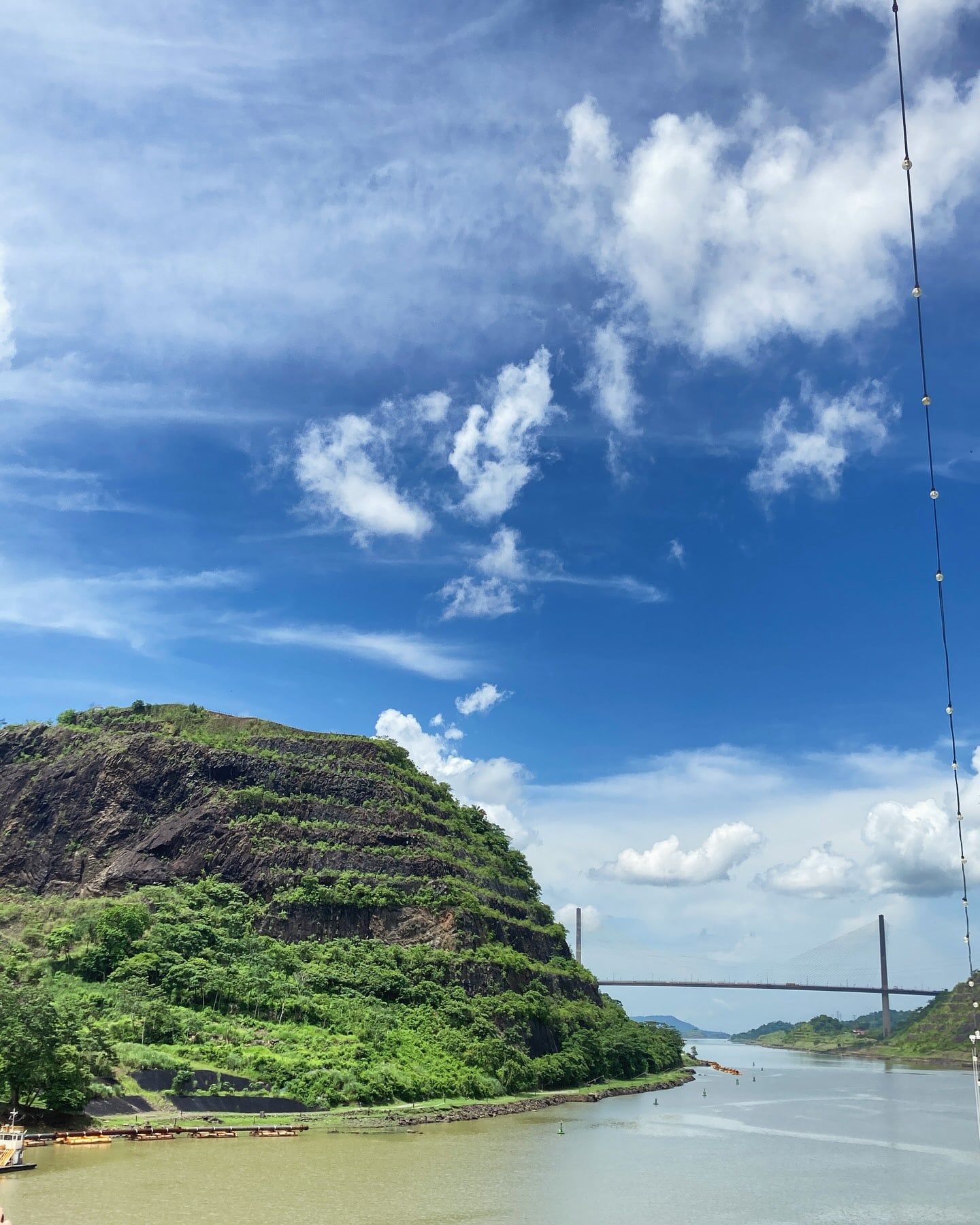
The Culebra Cut remains the narrowest and most dangerous segment of the entire 82-kilometer journey. Flanked by tropical rainforest, this 13.7-kilometer channel slices directly through the Cordillera Central mountains. Steep rock walls rise sharply on both sides of transiting ships, leaving zero room for steering errors. Taking a partial-transit ferry tour puts you at water level through this section. You feel the intense tropical heat radiating off the excavated basalt rock and hear the calls of howler monkeys from the dense canopy above. The ferry ride takes a full day, requiring a 6 to 8-hour commitment, and includes a meal served on deck while you wait in the lock chambers.
Modern vessels push the physical limits of the original infrastructure. Ships known as Panamax were built specifically to fit the 110-foot-wide chambers, often scraping the concrete walls as they pass through. Electric locomotives called "mules" run on tracks alongside the locks. These machines do not pull the ships; they use heavy steel cables to keep the massive vessels perfectly centered in the chamber, applying tension to prevent collisions with the walls. The 2016 Neo-Panamax locks handle much larger ships using tugboats instead of mules, but strict regulations apply. Single-hull oil tankers for local trade and vessels carrying unapproved dangerous goods are denied entry. Transit fees must be wired days in advance, and dangerous cargo requires a mandatory 96-hour pre-arrival notice.
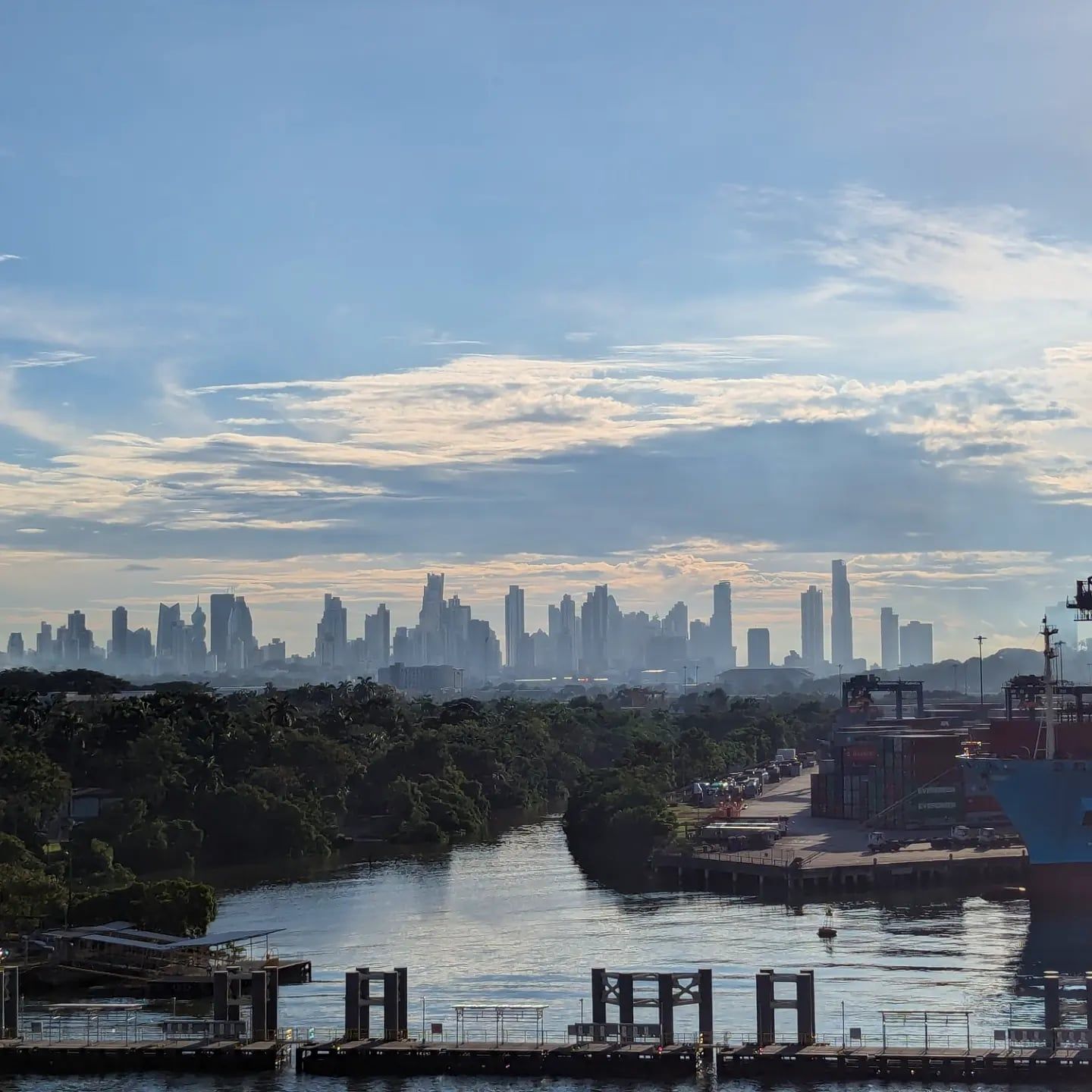
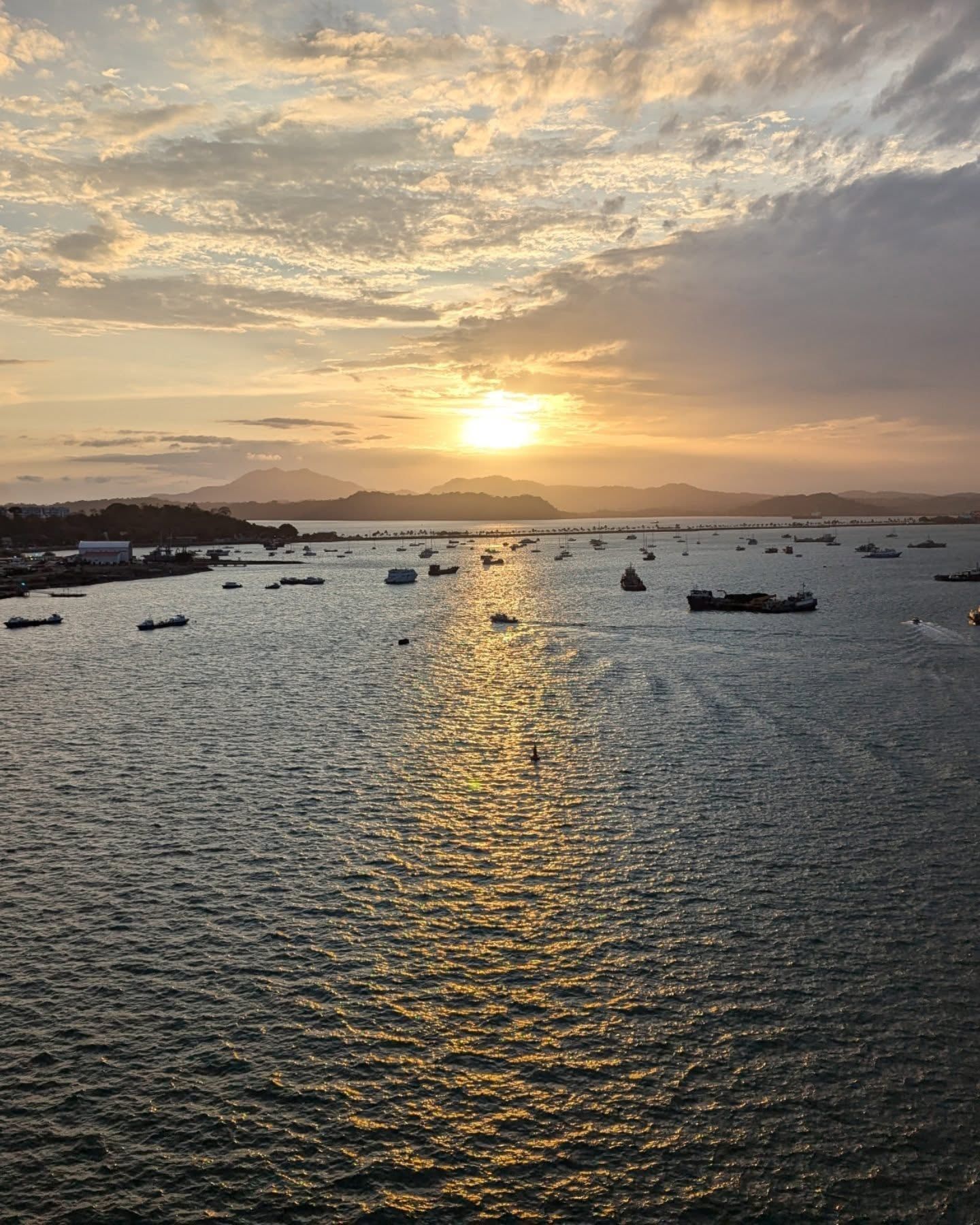
The canal dictates the economic and social rhythm of Panama. It generates billions of dollars annually, funding national infrastructure and shaping the urban sprawl of Panama City. The waterway physically divides the country in half, requiring massive engineering projects like the Bridge of the Americas and the Centennial Bridge to connect the eastern and western provinces. The millions of tons of rock excavated from the Culebra Cut were repurposed to build the Amador Causeway, a 6-kilometer road connecting the mainland to four Pacific islands. Locals and tourists rent bicycles here to ride alongside the shipping channel.
Indigenous communities maintain a complex relationship with the canal basin. Embera villages sit along the banks of the Chagres River and Gatun Lake, areas permanently altered by the initial flooding in the early 1900s. Boat tours frequently stop at these settlements, where residents navigate the exact waters used by international cargo conglomerates. The contrast is sharp. Wooden dugout canoes share the lake with steel container ships carrying electronics and automobiles. Visitors taking photos in nearby indigenous communities like Guna Yala must ask permission first, and handing over a small cash tip is standard practice.
The surrounding canal zone acts as a massive ecological corridor. Soberanía National Park borders the waterway, protecting the dense rainforest watershed necessary to keep the locks functioning. The trees prevent soil erosion that would otherwise fill the canal with silt and halt maritime traffic. Hikers on the Camino de Cruces trail walk the same stone paths used by 16th-century Spanish merchants transporting gold across the isthmus. The jungle reclaims everything quickly here. Hiking without a guide frequently results in tourists getting lost due to poorly marked paths, intense humidity, and zero cell service.
Millions of gallons of fresh water from Gatun Lake spill into the ocean with every ship transit.
Electric locomotives called "mules" run on tracks alongside the locks to keep ships centered, not to pull them.
A Japanese cargo ship paid the highest recorded toll in canal history at approximately $4 million.
Richard Halliburton swam the length of the canal in 1928, paying a toll of just 36 cents based on his body weight.
Morgan Freeman narrates the 45-minute 3D documentary shown daily at the Miraflores Visitor Center IMAX theater.
The Amador Causeway was built using the millions of tons of rock excavated from the Culebra Cut.
The Panama Canal Company treats the local water supply, making tap water completely safe to drink in developed canal areas.
Non-resident adults pay $17.22, and non-resident children aged 6 to 12 pay $7.22. Panamanian nationals and legal residents pay $3.00 for adults and enter for free if under 18.
The center opens daily from 8:00 a.m. to 6:00 p.m. The ticket office closes at 5:00 p.m., so you must arrive before then to purchase entry.
A single ship takes about 30 minutes to transit the Miraflores locks. A full transit of the entire 82-kilometer canal takes a vessel between 8 and 10 hours.
Ships pass through Miraflores in the morning until 10:25 a.m. and in the afternoon starting at 1:50 p.m. No ships transit between 11:00 a.m. and 2:00 p.m.
Tolls depend on vessel size, cargo, and passenger capacity. Small private boats pay around $800, while large cruise ships and cargo vessels pay upwards of $375,000.
The United States completed construction and officially opened the waterway to maritime traffic on August 15, 1914.
The artificial waterway stretches 82 kilometers (51 miles) across the Isthmus of Panama.
Yes, the center features ramps, elevators, and a lower viewing platform designed specifically for wheelchair users.
The dry season from December to April offers the best conditions for outdoor viewing. October and November bring heavy rainfall, flash floods, and potential landslides.
Yes, partial-transit and full-transit ferry tours operate regularly. A partial transit takes 6 to 8 hours and brings you through the Pedro Miguel locks and Gatun Lake at water level.
Browse verified tours with free cancellation and instant confirmation.
Find Tours