
About All Tours From Panama City ToursBoat Tours& Monkey Island ToursPartial Transit ToursPanama City ToursPrivate Tours Directions Hours & Fees
Find Tours 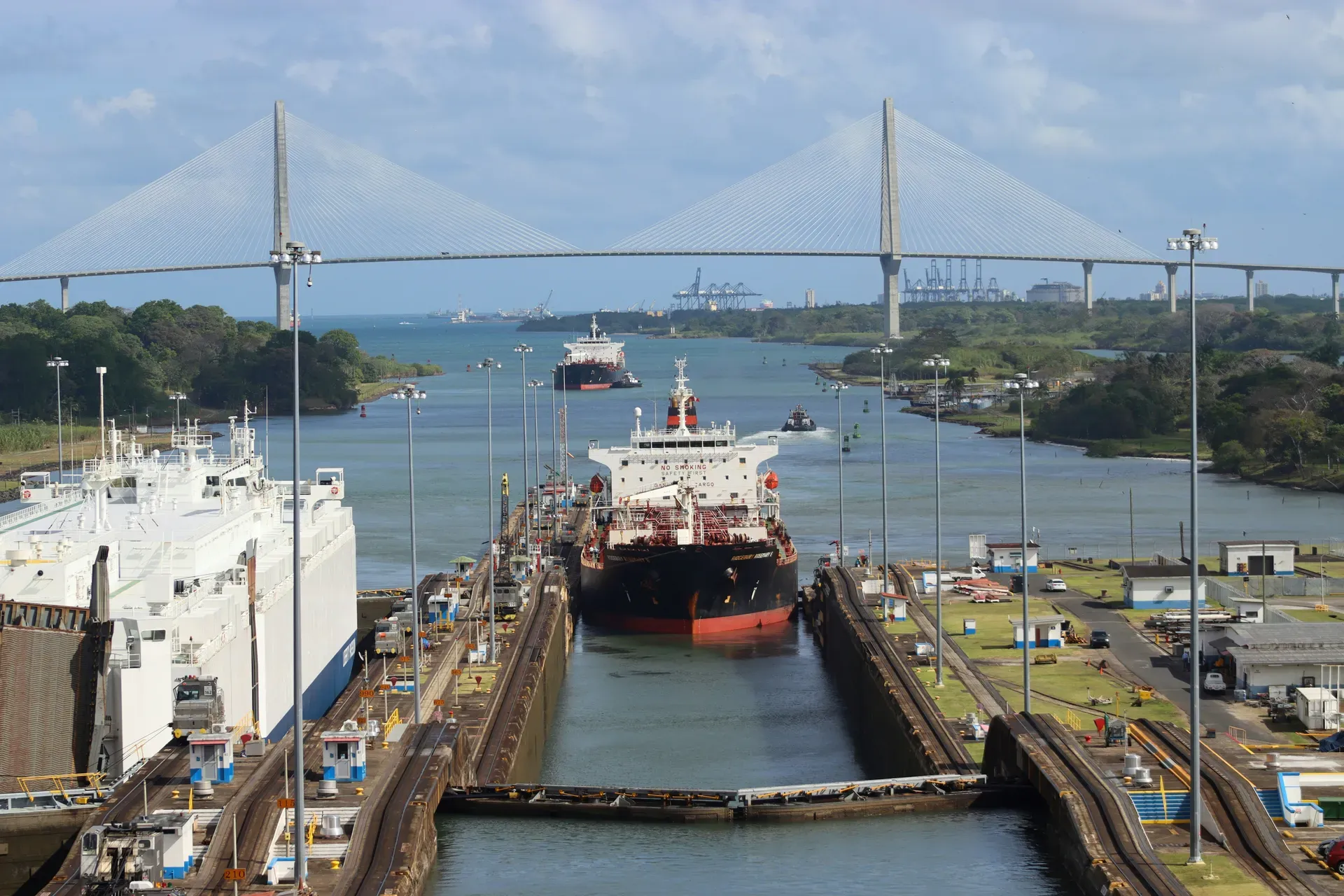
Stretching 51 miles across the continental divide, this engineering marvel uses gravity-fed locks to lift and lower up to 14,000 ships annually. Visitors can watch these massive vessels transit from the Miraflores Visitor Center terraces, or board a ferryboat to travel directly through the 13.7-kilometer Culebra Cut.
Find Guided ToursThe Panama Canal is an 82-kilometer (51-mile) artificial waterway that connects the Caribbean Sea with the Pacific Ocean. Cutting directly across the narrowest point of the Isthmus of Panama, it utilizes a complex system of gravity-fed locks to lift and lower massive ships over the continental divide. The system relies heavily on Gatun Lake, a freshwater body positioned 26 meters above sea level. Engineers created this lake by damming the Chagres River and Lake Alajuela to minimize the excavation required through the mountainous terrain.
This engineering feat fundamentally altered global maritime trade by eliminating the dangerous route around Cape Horn and the Drake Passage. By cutting through the isthmus, a sea voyage between New York and San Francisco is shortened by approximately 7,800 miles. Today, the canal accommodates between 13,000 and 14,000 ships annually. It operates as a multi-billion dollar enterprise that serves as the primary economic driver for Panama.
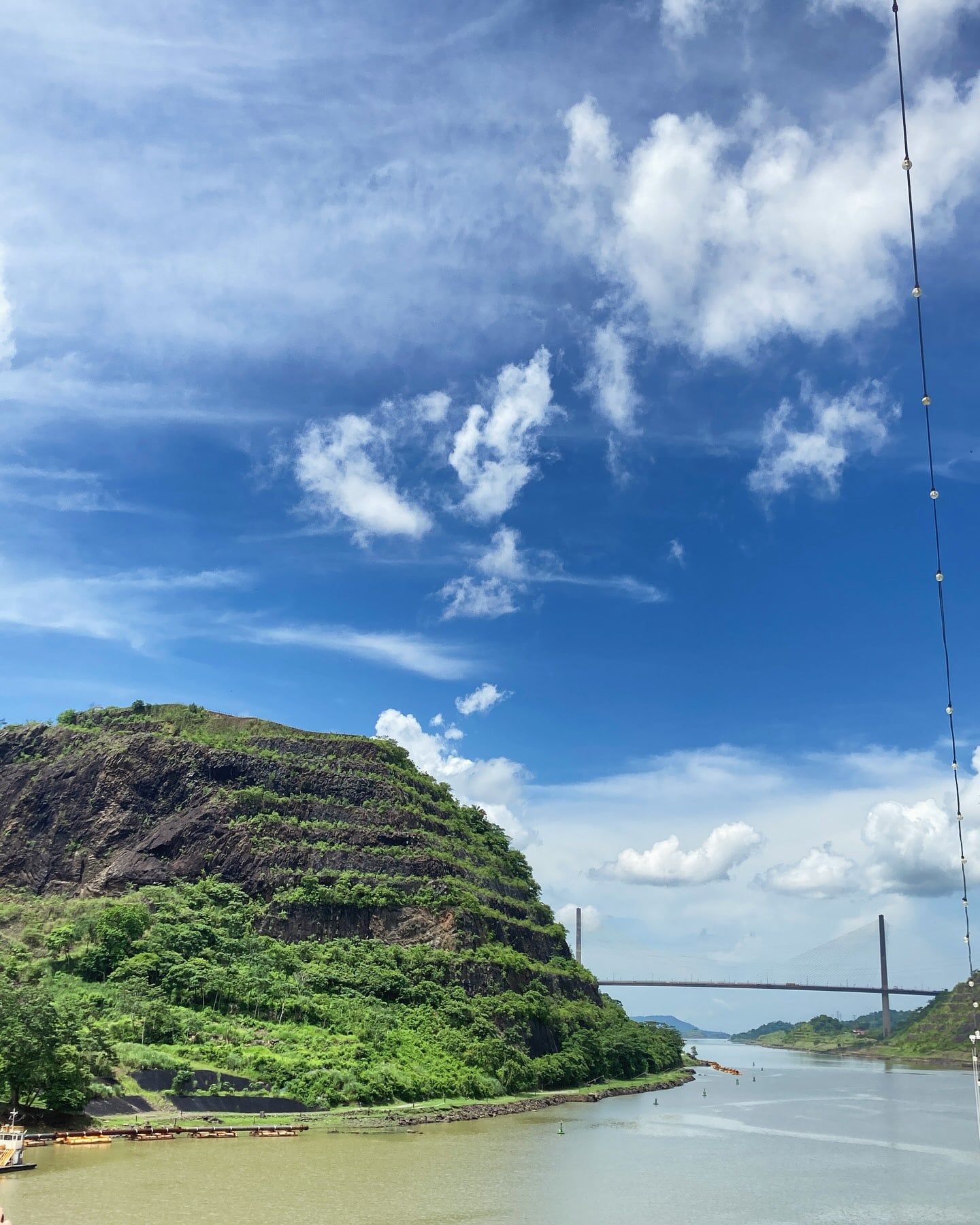
The concept of a canal dates back to Vasco Núñez de Balboa's 1513 crossing of the isthmus, but serious construction did not begin until a failed French attempt in 1881. After the French project ended in bankruptcy and the loss of 20,000 lives to disease, the United States acquired the building rights through the Hay-Bunau-Varilla Treaty. The U.S. completed the original waterway in 1914 at a cost of $375 million. Excavating the 13.7-kilometer Culebra Cut proved to be the most challenging segment, requiring workers to blast through the dense rock and limestone of the Cordillera Central mountain range.
Under the Torrijos-Carter Treaties, the United States officially transferred control of the canal to Panama on December 31, 1999. The original lock chambers, measuring 33.53 meters wide and 304.8 meters long, eventually became too small for modern cargo vessels. To maintain its position in global trade, Panama completed a $5.25 billion expansion project in 2016, adding larger locks that allow massive Neopanamax ships to navigate the route.
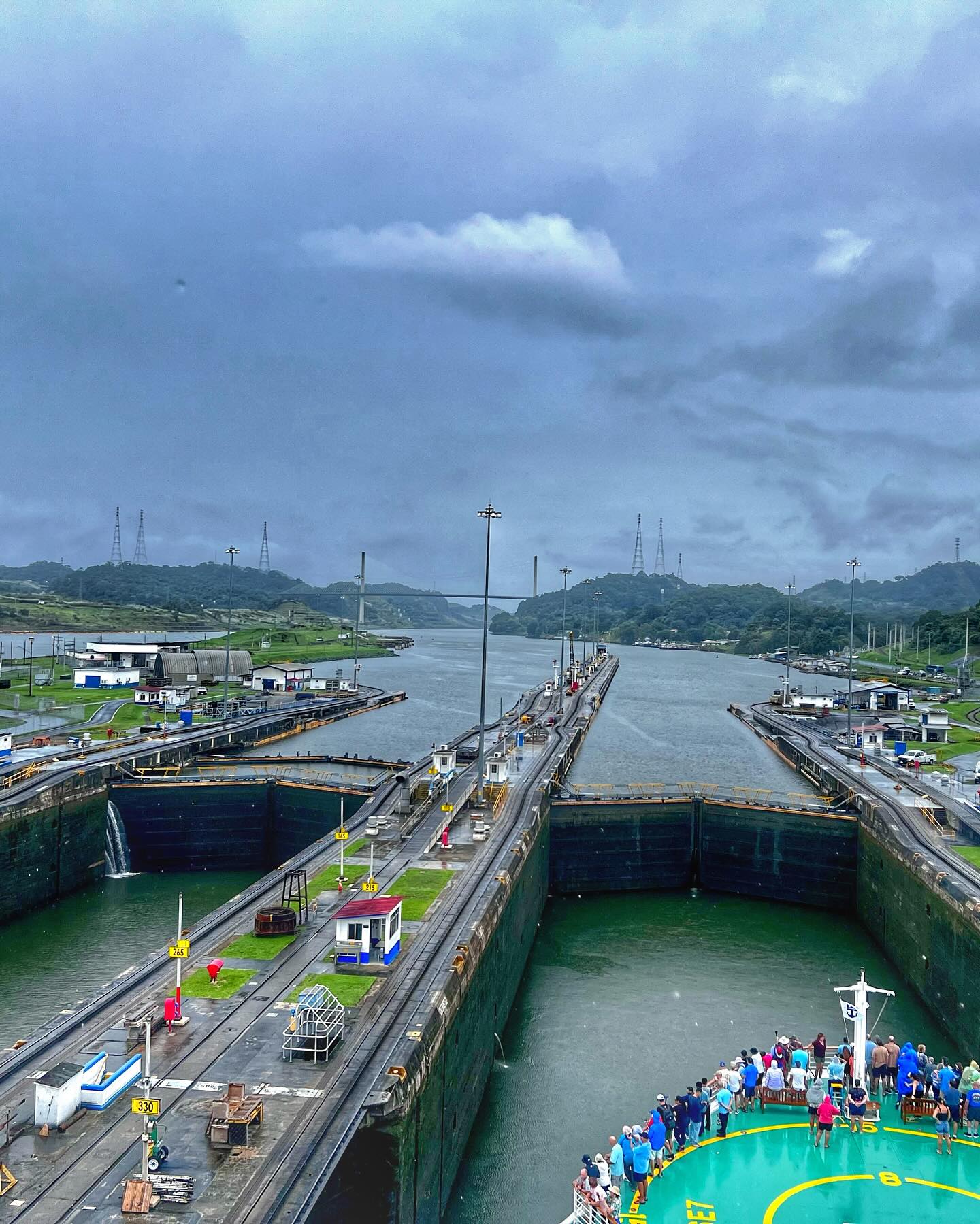
Discover the full history and cultural significance on our About page.
Stand on the ground-level terrace or first-level bleachers at the Miraflores Visitor Center to watch massive cargo ships squeeze through the 110-foot-wide lock chambers. Live narration in English and Spanish details each vessel's origin and cargo during the 30-minute transit process.
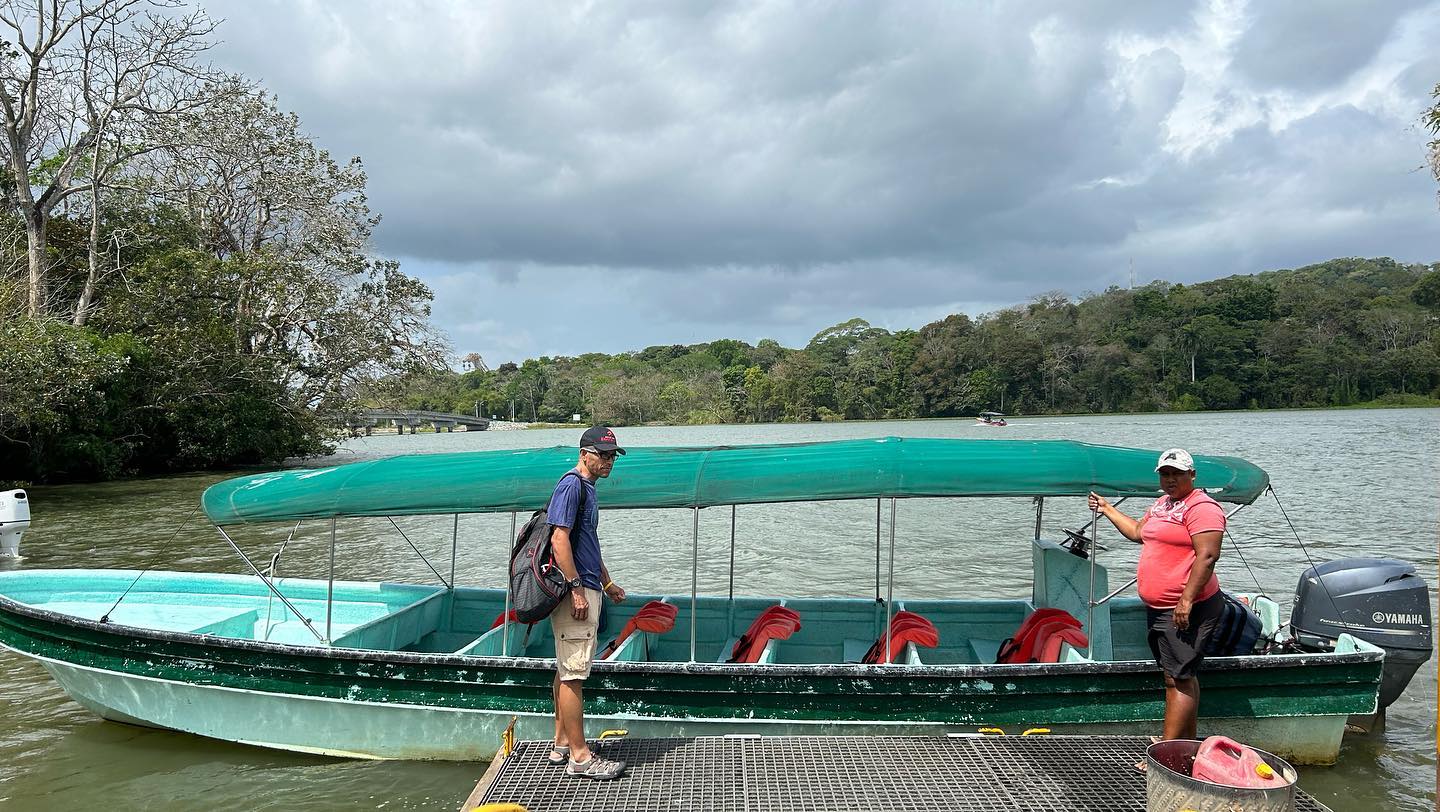
Board a ferryboat for a 6 to 8-hour tour traveling directly through the Pedro Miguel locks at water level. This route takes you into Gatun Lake, positioned 26 meters above sea level, providing close-up views of the rainforest-lined banks and the canal's complex gravity-fed system.
Admission to the Miraflores Visitor Center includes a state-of-the-art IMAX screening. The 45-minute 3D film, narrated by Morgan Freeman, explains the complex engineering and 1914 construction of the 51-mile waterway, highlighting the massive labor required to sever the continental divide.
Navigate the narrowest segment of the canal by boat. Carved directly through the tough limestone of the Cordillera Central mountain range, this 13.7-kilometer section required immense physical labor to excavate. Flanked by tropical rainforests, it remains a testament to early 20th-century engineering.
Hand-picked tours with free cancellation and verified reviews
 Free Cancellation 5h
  Free Cancellation
  Free Cancellation 4h 30min
  Free Cancellation
  Free Cancellation 6h
  Free Cancellation 5h
  Free Cancellation 3h 30min
  Free Cancellation
 The optimal time to visit the Panama Canal is during the dry season from December to April. These months provide minimal rainfall, creating highly favorable conditions for outdoor viewing and boat tours.
March and April fall within the prime dry season, offering minimal rainfall for clear observation deck viewing. May transitions out of this optimal window, though partial and full-transit tours operate regularly.
Falling outside the December to April dry season, these months bring higher chances of rain. Visitors must prepare for the region's intense tropical heat and high humidity by staying well-hydrated.
October and November bring the heaviest rainfall of the year. Regional storm activity causes intense downpours, flash floods, and potential landslides that can severely disrupt travel plans and canal tours.
These months represent the peak dry season, featuring minimal rainfall and highly favorable outdoor viewing conditions. Partial and full-transit boat tours, lasting six to eight hours, operate much more regularly.
The Miraflores Visitor Center is open daily from 8:00 a.m. to 6:00 p.m., with the ticket office closing at 5:00 p.m. The Agua Clara Visitor Center operates daily from 8:00 a.m. to 5:00 p.m., and its ticket office is open from 8:00 a.m. to 3:30 p.m.
| Category | Price |
|---|---|
| Non-resident adult (Miraflores) | $17.22 |
| Non-resident minor, ages 6-12 (Miraflores) | $7.22 |
| Children under 6 (Miraflores) | Free |
| Panamanian national or legal resident adult (Miraflores) | $3.00 |
| Panamanian senior citizen (Miraflores) | $1.50 |
| Panamanian minor under 18 (Miraflores) | Free |
| Non-resident adult (Agua Clara) | $10.00 |
Admission to the Miraflores Visitor Center includes a 45-minute 3D IMAX documentary. Visitors can purchase tickets in advance at visitcanaldepanama.com to skip the ticket counter lines.
For complete schedules and ticket prices, visit our Hours & Fees page.
Reaching the Miraflores Visitor Center is straightforward from downtown Panama City. Travelers can choose between ride-hailing applications or a combination of public transit and taxis for the short journey.
📍 Not specified in research data
Taking an Uber is the easiest way to reach the Miraflores Visitor Center from downtown Panama City. The route covers roughly 15 kilometers and takes approximately 15 minutes in standard traffic. Ubers remain plentiful throughout the city, ensuring you will have no trouble booking a return ride directly from the locks. This method is highly recommended over local taxis, which can be poorly maintained.
Visitors can utilize public transit by taking the Panama Metro to the Albrook Mall Bus Station. After exiting just outside the station, walk across the street to the designated taxi pick-up area. From this point, you can catch a short taxi ride directly to the Miraflores Locks. This combined journey spans 12 kilometers and provides a highly economical travel alternative.
For a direct approach on the water, visitors can board a ferryboat to travel straight through the canal at water level. This full-day transit option takes you through the Pedro Miguel locks and into Gatun Lake. The route provides close-up views of the rainforest-lined banks and the massive lock mechanisms. The excursion typically lasts between six and eight hours.
For detailed transport options and routes, visit our Directions page.
Ships follow a strict transit schedule through the Miraflores locks. Traffic flows in the morning until 10:25 a.m. and resumes in the afternoon at 1:50 p.m. Arriving between 11:00 a.m. and 2:00 p.m. guarantees you will miss the massive vessels. Check the daily schedule online before departing.
Standard admission for non-resident adults costs $17.22 at the Miraflores Visitor Center. Buying your ticket in advance at visitcanaldepanama.com lets you skip the long counter lines. This also secures your preferred time slot for the included 45-minute 3D IMAX documentary narrated by Morgan Freeman.
Ride-hailing apps provide the easiest transport from downtown Panama City to the visitor centers. A 15-kilometer ride to Miraflores takes about 15 minutes and costs roughly $10 USD. Avoid street-hailed cabs, as local taxis are often poorly maintained and traffic accidents are relatively common.
Viewing platforms at the locks are outdoors and exposed to intense heat and humidity. Wear light clothing and apply high-SPF sunscreen. If you plan to visit historic churches in nearby communities afterward, bring conservative clothing to cover up and remember to remove hats indoors.
The Miraflores exhibits rely heavily on interpretive panels, which often causes children under 10 to lose interest. For a deeper historical dive, drive 15 minutes to Casco Viejo. The main Interoceanic Canal Museum located there houses extensive archives detailing the $375 million construction project.
Standard tickets restrict you to the ground-level terraces and first-level bleachers. Paying around $200 for a private guided tour grants exclusive access to restricted areas. This allows you to stand directly on the side walls of the lock chambers for spectacular close-up photography of transiting ships.
Located along the canal basin, this protected rainforest attracts hikers and birdwatchers. You can explore scenic routes like the Camino de Cruces to observe the region's biodiversity and spot exotic wildlife.
Panama City's historic district features restored colonial mansions, cobblestone streets, and rooftop restaurants. It also houses the main Interoceanic Canal Museum, offering deep historical archives that detail the waterway's complex construction.
Designed by architect Frank Gehry, this striking building sits along the 6-kilometer Amador Causeway. Interactive exhibits inside explain how the geological formation of the Isthmus of Panama altered global climate and biodiversity.
Read what travelers share about their experience visiting Panama Canal — from practical tips to personal highlights.
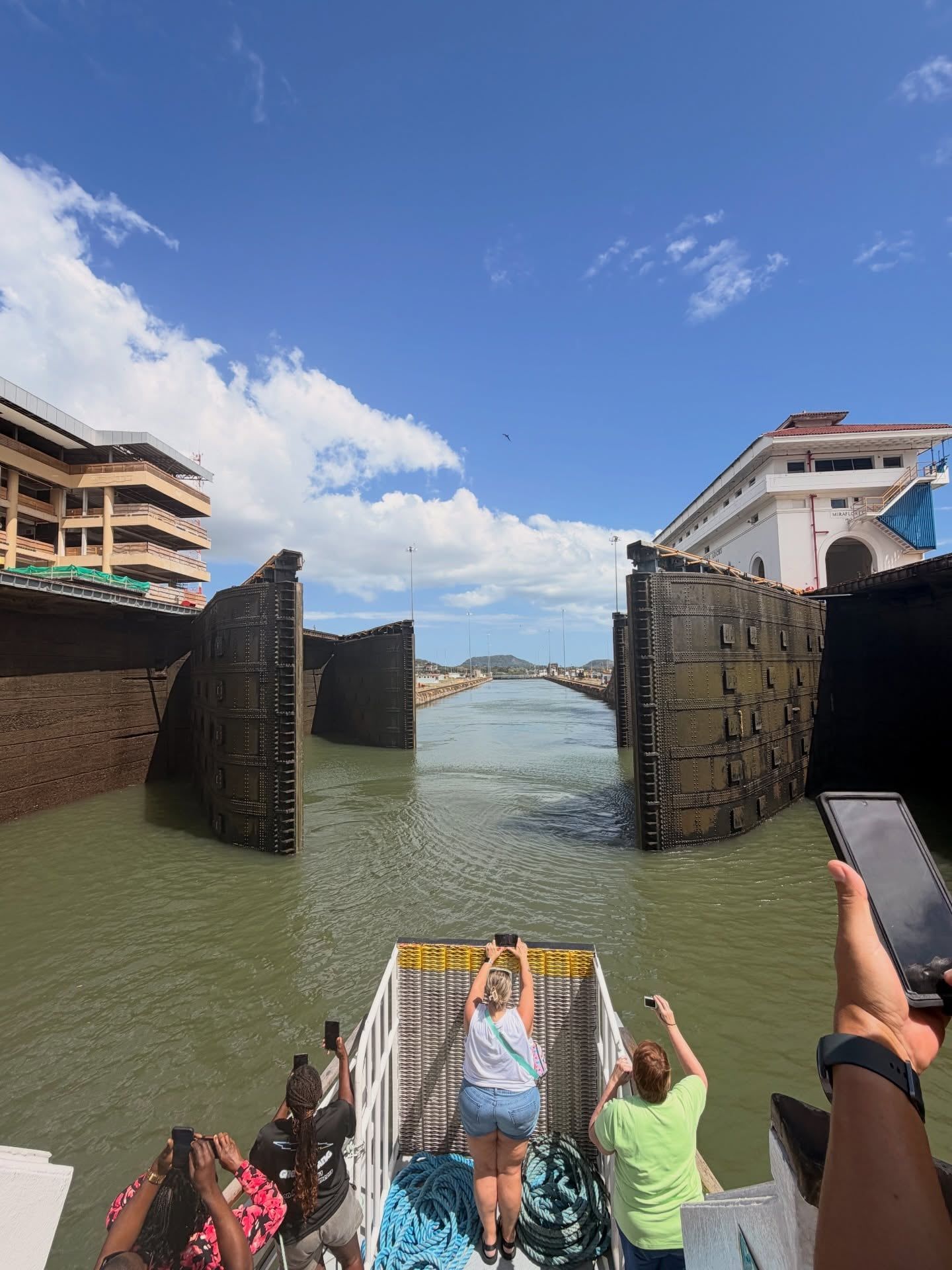

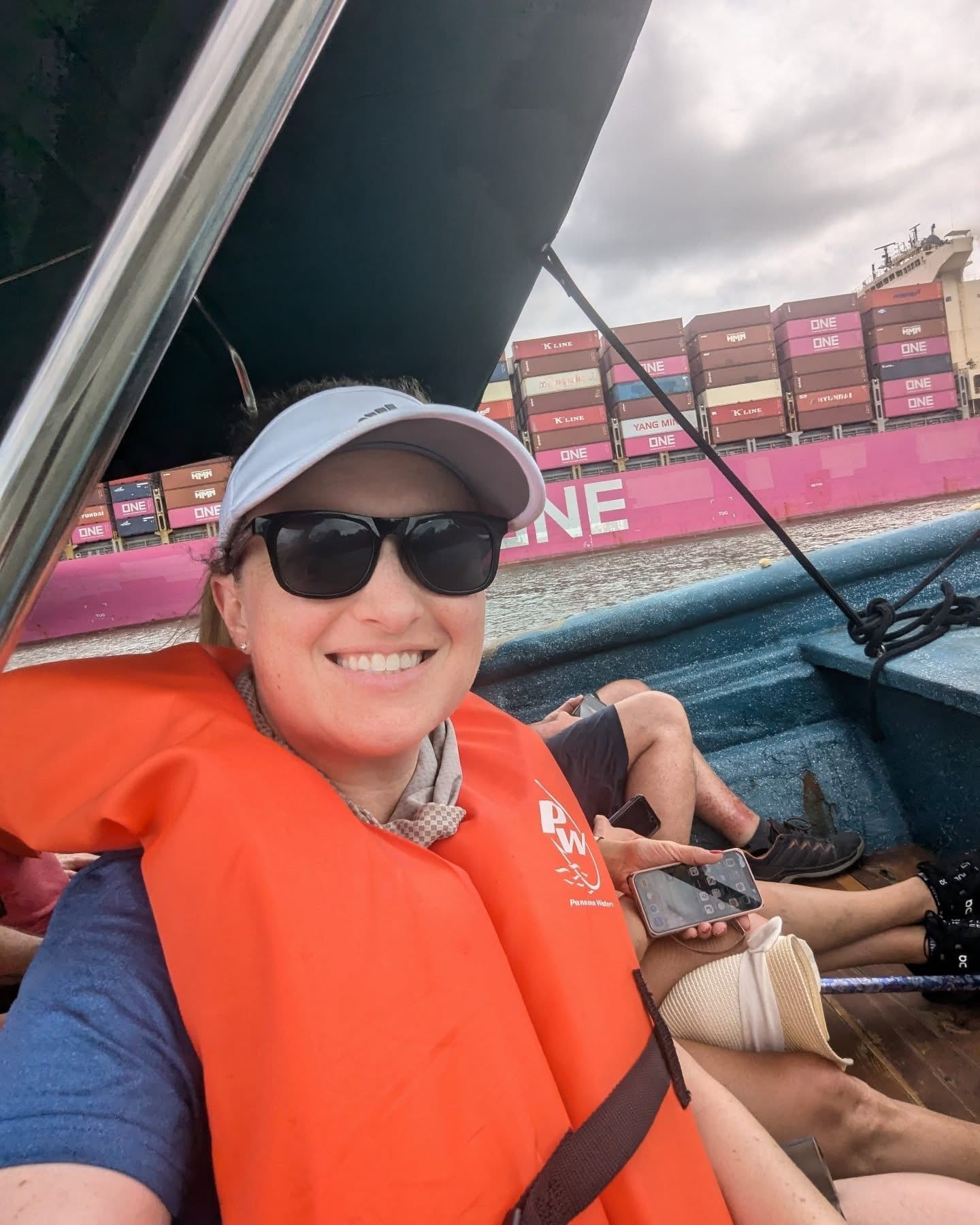
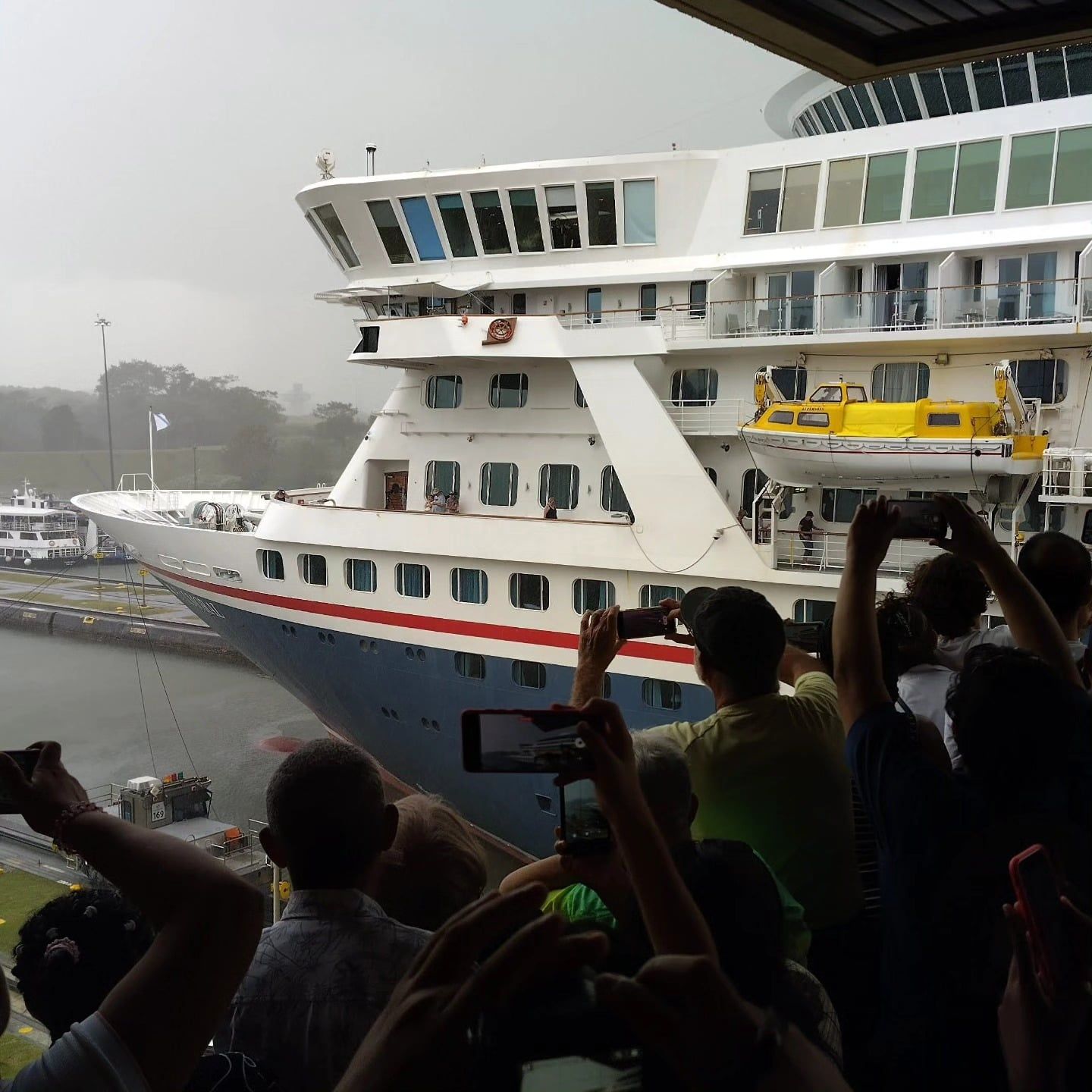

Entry to the Miraflores Visitor Center costs $17.22 for non-resident adults and $7.22 for children aged 6 to 12. Children under six enter for free. If you visit the Agua Clara Visitor Center, non-resident adult tickets are $10.
Plan your visit for the morning before 10:25 a.m. or in the afternoon after 1:50 p.m. Ship traffic usually stops between 11:00 a.m. and 2:00 p.m. Checking the daily transit schedule online helps you avoid this midday lull.
Taking an Uber from downtown Panama City is the most straightforward option. The 15-kilometer ride takes about 15 minutes and costs roughly $10 USD. Alternatively, you can take the Panama Metro to the Albrook Mall Bus Station and catch a short taxi ride for $5 USD.
Purchasing tickets online ahead of time at visitcanaldepanama.com allows you to skip the ticket counter lines. Advanced booking also secures your preferred screening time for the included 45-minute IMAX documentary.
A standard visit to the Miraflores Visitor Center takes approximately 1.5 to 2.5 hours. If you choose to book a partial-transit boat tour through the locks, expect a full-day commitment lasting 6 to 8 hours.
Yes, the facility is highly accessible for wheelchair users. It features ramps, elevators, and a specifically designed lower viewing platform. Walking distances between attractions are short and manageable.
Wear light, comfortable clothing to handle the intense tropical heat and high humidity. Bring a water bottle and high-SPF sunscreen for the outdoor observation decks. If you plan to visit nearby historic churches afterward, pack conservative clothing and remove hats indoors.
The center opens daily from 8:00 a.m. to 6:00 p.m. You must arrive before 5:00 p.m. when the ticket office closes.
Browse verified tours with free cancellation and instant confirmation.
Find Tours